

Mastering Stress Management Techniques for Daily Life
- Wildly Rooted
- Oct 20
- 4 min read

By 3 p.m. your shoulders creep toward your ears, your jaw tightens, and your inbox won’t quit. That’s stress speaking through your body. The goal isn’t to erase stress—life won’t allow it—but to respond with more steadiness so you can think clearly and sleep deeper. In this post, I’ll share simple practices you can use in real time: breathing that downshifts the nervous system, micro-breaks that reset focus, and tiny rituals that anchor the day. Used consistently, they turn hectic moments into manageable ones. Let’s start where you are.
Understanding Stress and Why It Affects Us So Deeply
Stress is a natural response to challenges or demands. When you face a tough situation, your body reacts by releasing hormones like adrenaline and cortisol. This "fight or flight" response can be helpful in short bursts, but when stress lingers, it can wear you down physically and emotionally.
You might notice symptoms like:
Feeling restless or irritable
Trouble sleeping or concentrating
Muscle tension or headaches
Feeling overwhelmed or disconnected
Recognizing these signs is the first step toward managing stress effectively. It’s okay to admit when things feel heavy. You’re not alone, and there are ways to regain control.

Exploring Stress Relief Methods That Really Work
When I started focusing on stress relief methods, I realized that small, consistent changes made the biggest difference. Here are some approaches that you can try today:
1. Mindful Breathing
Taking slow, deep breaths helps calm your nervous system. Try this simple exercise:
Inhale deeply through your nose for 4 seconds
Hold your breath for 4 seconds
Exhale slowly through your mouth for 6 seconds
Repeat 5 times
This technique can be done anywhere—at your desk, in the car, or before bed.
2. Movement and Exercise
Physical activity releases endorphins, your body’s natural mood boosters. You don’t need a gym membership; a 20-minute walk outside or gentle yoga can work wonders.
3. Prioritize Sleep
Sleep is your body’s reset button. Aim for 7-9 hours each night. Create a bedtime routine that signals your body it’s time to wind down—dim lights, no screens, and maybe a warm cup of herbal tea.
4. Connect with Nature
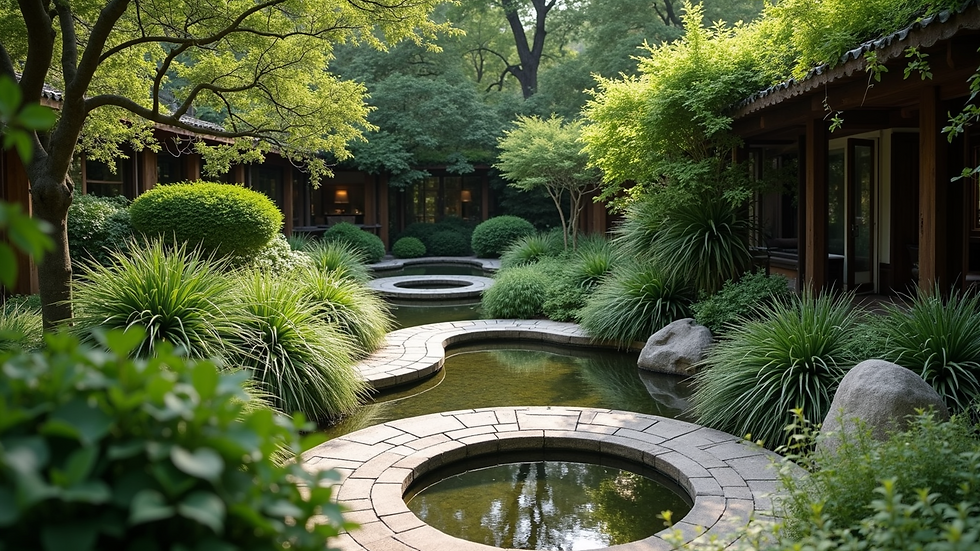
Spending time outdoors can lower stress hormones and improve your mood. Even a few minutes in a garden or park can help you feel more grounded.
5. Set Boundaries
Learning to say no is a powerful stress relief method. Protect your time and energy by setting limits on work, social obligations, and even family demands.
6. Practice Gratitude
Focusing on what you’re thankful for shifts your mindset from scarcity to abundance. Try writing down three things you appreciate each day.
7. Seek Support
Talking to a trusted friend, family member, or professional can lighten your emotional load. You don’t have to carry everything alone.
By weaving these methods into your daily routine, you create a toolkit to handle stress more effectively.
What are the 7 ways to deal with stress?
Let’s dive deeper into seven practical ways to deal with stress that have helped me and many others:
Deep Breathing and Meditation
These calm your mind and reduce anxiety. Even five minutes can make a difference.
Physical Activity
Exercise not only improves your health but also releases tension and boosts mood.
Healthy Eating
Nourishing your body with balanced meals supports your nervous system and energy levels.
Adequate Sleep
Restorative sleep helps your body recover and manage stress better.
Time Management
Organize your day with realistic goals and breaks to avoid burnout.
Social Connection
Spending quality time with loved ones fosters a sense of belonging and support.
Creative Outlets
Engaging in hobbies like painting, writing, or gardening can be therapeutic.
These strategies are simple but powerful. You don’t have to do them all at once—start with one or two and build from there.

How to Incorporate Stress Management Techniques into Your Busy Life
I know how hard it can be to find time for yourself when life feels packed. Here’s how I made stress relief methods part of my daily rhythm without feeling overwhelmed:
Morning Rituals: Begin your day with a few minutes of mindful breathing or stretching. It sets a calm tone.
Micro-Breaks: Take short breaks during work to stand, breathe, or step outside.
Evening Wind-Down: Create a screen-free hour before bed to relax and reflect.
Use Reminders: Set gentle alarms or notes to prompt you to pause and breathe.
Combine Activities: Listen to calming music while cooking or walking.
Remember, it’s about progress, not perfection. Each small step adds up to a more balanced life.
Embracing Holistic Support for Lasting Calm
Sometimes, managing stress requires more than just quick fixes. That’s where holistic approaches come in. Supporting your nervous system and nutrition can make a profound difference in how you feel day to day.
I found that learning about stress management techniques that focus on the whole person—body, mind, and spirit—helped me move from feeling overwhelmed to living more aligned and manageable days. This kind of support empowers you to reconnect with your well-being naturally.
If you’re curious about exploring this path, consider reaching out to professionals who specialize in holistic wellness. They can guide you with personalized strategies tailored to your unique needs.
Taking the First Step Toward a Calmer You
Stress is a part of life, but it doesn’t have to control your story. By embracing these stress relief methods and integrating gentle, effective practices into your routine, you can reclaim your sense of calm and connection.
Start small. Be kind to yourself. And remember, every moment you invest in your well-being is a gift that ripples through your life and those around you.
You deserve to feel peaceful, grounded, and in charge of your days. Let’s take that journey together, one breath at a time.


Comments